
12 products


𝐍𝐞𝐞𝐝 𝐀𝐬𝐬𝐢𝐬𝐭𝐚𝐧𝐜𝐞?
𝐋𝐞𝐭 𝐮𝐬 𝐇𝐞𝐥𝐩

Is a dual zone wine fridge worth it?

I’ve worked with wine for many years, and I’d say a dual zone wine fridge makes sense if you enjoy different kinds of wine. Red and white wines don’t do well at the same temperature. Red wine usually tastes best between 60–65°F, while white wine stays crisp and balanced around 50–60°F.

When you store them together in one zone, it’s hard to find a single temperature that suits both. A dual zone fridge lets you set separate conditions so each wine can stay in its ideal range.

If you mostly keep one type of wine, a single zone fridge is fine. But if your collection includes both red and white wines, having two zones simply makes storage easier and more accurate over time.

What’s the difference between built-in and freestanding wine fridges?

They mostly differ in how they let heat out. A built-in wine fridge blows warm air from the front, so it cansit under a counter or between cabinets without overheating. It looks tidy and fits nicely with kitchenfurni ture.
A freestanding wine fridge gives off heat from the back or the sides, It needs a bit of space around it just afew inches so air can move. If there isn’t enough room to breathe, it won’t cool as well, and that’s notgood for long-term use.
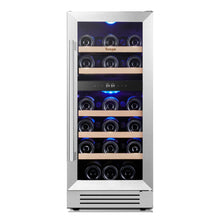
These days, many fridges can do both. Brands like Yeego make models that work as built-in or freestanding, soyou can place them however you like without worrying about ventilation.

What temperature should I set my wine fridge to?

It depends on what kind of wine you store. Red wine usually tastes best a bit warmer, around 60-65"f(1518°C). White wine does better when it's cooler, about 50-60°F(10-15°C).
If you keep both red and white wines, it's easier to use a dual zone wine fridge. Each zone can be set to theright range, so both types stay where they should be

What’s the best humidity level for storing wine?

Wine likes a bit of moisture in the air, Somewhere around 50% to 80% usually works well.
If it gets too dry, the cork can lose moisture and shrink a little, and that might let air in. Too humid, and you might see mold or peeling labels.
ust keeping things in that middle range is enough. Most wine fridges take care of it automatically, so you dont really need to adjust anything.

Do wine fridges make a lot of noise?

Not really. llost wine fridges are pretty quiet, usually under 45 decibels. That’s about the same as normal background noise at home.
You might hear it turn on sometimes, but it’s faint. Fridges with inverter compressors are even guieter and run more smoothly.
Where you put it matters too. A flat surface and a little space around it help keep things quiet.

Are expensive wine fridges really better?

Not always. Some cost more because of the build or a few extra features, but that doesn’t mean they cool better.

Many high-end ones have dual-zone independent temperature control or inverter compressors, which help keep the temperature steady and make less noise. That’s great if you like to store different kinds of wine or keep bottles for a while.

If you mostly keep one kind of wine, a basic fridge usually does fine.

How long does a wine fridge last?

Most wine fridges can last about 10 to 15 years. Some go longer if they’re kept in a steady room and looked after often.

Heat and airflow make a big difference. When the fridge has space to breathe and doesn't run too hard, it tends to last more years.

Simple ones with fewer parts usually hold up better. Keeping it clean and checking the door seal now and then helps too.

Do I need to clean the wine fridge regularly?

After working with wine fridges for years, one thing’s clear — they last longer when you take care of the small details. Most problems I’ve seen come from poor placement or a lack of regular cleaning.

First, placement really matters. A wine fridge should always sit on a flat, stable surface with open space around it. A few inches on the sides and back helps the heat escape and keeps the compressor from running too hard. If it’s pushed too close to the wall, it’ll stay warm inside and wear out faster.

Second, don’t overload it. When bottles are packed too tightly, cold air can’t move evenly. You’ll end up with warmer spots inside, and that’s not good for long-term storage. Leave a little room between bottles — it makes a big difference.

As for cleaning, I’ve always told people to make it a habit. Once a month, wipe the shelves and inside walls with a soft cloth, and clear the dust off the coils at the back. The coils are what keep the fridge cool; once they’re covered in dust, the system has to work much harder.

It’s also smart to check the door seal. If it’s cracked or not closing tight, you’ll lose cold air without realizing it. Replacing the seal is cheap and easy, and it can save the compressor years of extra work.

Taking a few minutes now and then keeps the fridge steady, quiet, and reliable for a long time.

Do wine fridges use a lot of electricity?

A wine fridge doesn’t use much electricity. Most of them are designed to keep a steady temperature without running the compressor all the time.

Energy use depends on a few things — the size of the fridge, the temperature you set, and how well it can release heat. If it’s placed in a cool, ventilated spot, it won’t need much power to stay consistent.

It also helps not to open the door too often. Every time warm air gets in, the compressor has to work harder to bring the temperature back down. Keeping the door closed as much as possible saves both energy and wear on the machine.

Models with inverter compressors are usually more efficient because they adjust power gradually instead of turning on and off repeatedly. With normal use, a wine fridge adds only a small amount to your yearly electricity bill.

Is a wine fridge necessary if I only drink occasionally?

It really depends on how you drink and where you live. If you only buy a bottle once in a while and finish it soon after, a wine fridge isn’t a must. What matters most is keeping the wine somewhere cool and steady — away from sunlight and heat.

But if the place you live often stays above 75°F (24°C) for long periods, or if you like to keep a few bottles for months, then a wine fridge becomes important. Heat can age wine too fast and change its taste before you even open it.

For people who collect or hold wine for special occasions, even a small unit makes a big difference. It’s not just about cooling — it’s about keeping the flavor as it should be.