
What Is Eggnog? A Classic Christmas Drink in the US and Canada
Introduction
Eggnog is a drink that is very popular in both the United States and Canada. Its main ingredients are eggs and milk, and it is typically available from Thanksgiving through New Year’s Day.
Eggnog is usually made from milk, cream, sugar, eggs, and spirits such as brandy, rum, or whiskey. Additional spices—such as cinnamon, nutmeg, or vanilla—may also be added. This beverage is widely enjoyed and comes in many varieties, including both alcoholic and non-alcoholic versions, making it suitable for people of all ages. Today, the market also offers a wide range of eggnog-flavored foods.

History
The history of eggnog can be traced back to the 19th century. Much like today, it was consumed as a winter refreshment. Nineteenth-century eggnog typically consisted of simple ingredients such as sugar, milk, eggs, brandy, and rum. It was usually served cold, was less sweet than modern eggnog, and contained a much higher alcohol content.
The true origin of eggnog remains unclear, with many different theories surrounding its beginnings. It is believed that eggnog may have evolved from two contemporary drinks: posset and egg flip. Posset was a mixture of milk and beer, seasoned with spices and heated until the milk curdled. Eggs were occasionally added, eventually giving rise to eggnog. Egg flip, on the other hand, was a mixture of eggs and spirits, similar to eggnog but without milk or dairy products.

The name “eggnog” may have come from noggins, a type of wooden cup traditionally used to drink small beers and other alcoholic beverages. Another theory suggests that the name originated from the phrase “egg n’ grog,” a shortened expression referring to a drink made from eggs and spirits.
Modern Eggnog
Because modern milk contains far less fat than milk did in the 1800s, cream is often added today to achieve the classic rich flavor and creamy texture of traditional eggnog. Some low-fat commercial eggnogs use gelatin, guar gum, or other thickeners to enhance viscosity. Non-alcoholic eggnog has also become increasingly popular.

Vanilla is now a commonly used addition, as it enhances eggnog’s creamy texture. Nutmeg or cinnamon is often added to provide extra flavor. Cream or white chocolate shavings are sometimes incorporated as well, transforming eggnog into a truly modern dessert beverage.
Vegan versions of eggnog are also available on the market. These drinks are made with soy, rice, coconut, or almond milk, along with flavorings and thickeners, to recreate the taste and texture of traditional eggnog.
Safety
As awareness of food safety has increased, foods containing raw eggs have become a subject of debate. For this reason, heated eggnog has grown in popularity. Since eggnog is similar to custard, heating it not only reduces microbial content but also increases the drink’s thickness.
Commercially produced eggnog—especially non-alcoholic varieties—rarely contains raw eggs due to safety concerns. When eggs are used, they must be pasteurized, which can alter the texture of the beverage. Natural or artificial flavorings, thickeners, and stabilizers are often used to achieve the classic flavor and texture of eggnog without relying on raw eggs.
Conclusion
Eggnog remains a lasting symbol of the Christmas season in the United States and Canada, shaped by tradition while continuing to adapt to modern preferences. From classic recipes to non-alcoholic and plant-based versions, its role has expanded beyond a single drink to reflect changing lifestyles and food habits.
Understanding how eggnog is prepared, served, and stored helps ensure both flavor and safety during the holidays. With proper handling and temperature control, this seasonal favorite can be enjoyed as part of a well-planned Christmas celebration, alongside other holiday beverages and desserts.
Frequently Asked Questions
Q: What is the best way to store eggnog during the holidays?
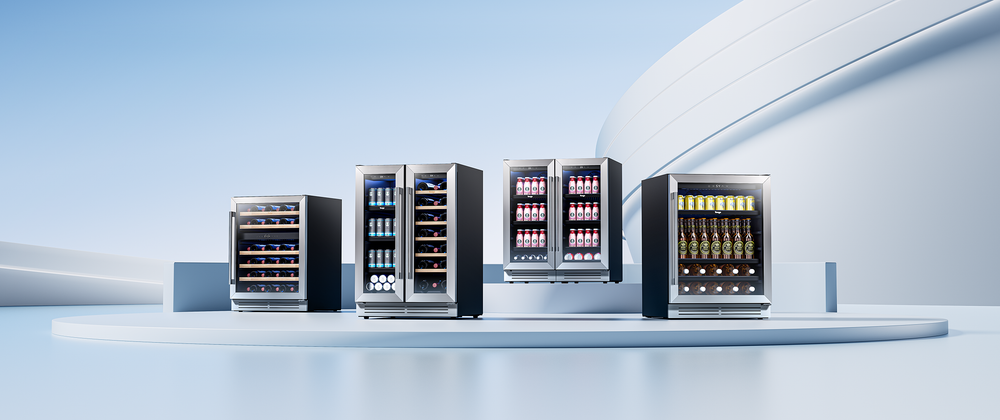
A: Eggnog should be kept at a consistently cool temperature and away from strong odors. Using a beverage fridge helps maintain stable conditions and prevents flavor contamination when multiple holiday drinks are stored together.
Q: Can eggnog be served warm or cold?
A: Both are acceptable. Chilled eggnog is more common for casual gatherings, while warm eggnog is often served during colder evenings, especially at Christmas parties. The choice usually depends on personal preference and serving occasion.
Q: Is eggnog suitable for non-drinkers or children?
A: Yes. Many eggnog products are made without alcohol, and the alcohol content in homemade recipes can be fully omitted. Non-alcoholic versions are widely available during the Christmas season.
Q: How long does eggnog stay fresh after opening?
A: Homemade eggnog should be consumed within a few days, while commercially produced eggnog usually lasts longer if refrigerated properly. Always check the label and discard it if there is any change in smell or texture.