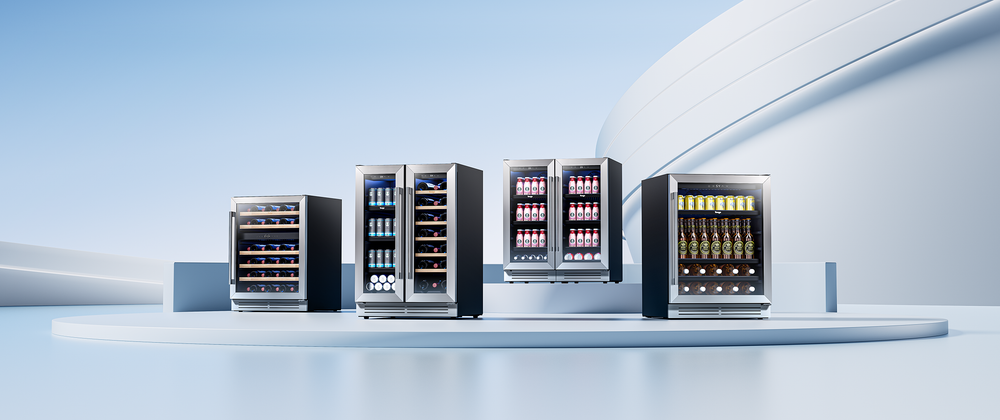

Europe Heatwaves Are Driving a Beverage Fridge Boom
- Europe heatwaves are turning beverage cooling into a daily household need, not a seasonal preference.
- Kitchen fridges are not designed for high-frequency drink access, especially during summer peaks.
- Beverage fridges create a dedicated cooling zone, improving convenience and reducing fridge overload.
- Their value lies in consistent drink access and system efficiency, not just colder temperatures.
- As homes become more open-plan and lifestyle-driven, separating food storage and beverage cooling becomes more practical.
Introduction
Over the past decade, European summers have become harder to ignore. In places like Southern Spain, Italy, Southern France, and parts of Central Europe, long stretches of 30°C to 40°C heat are becoming more common.
This is changing more than the temperature outside. It is also changing how people live at home.
During hotter summers, households tend to adjust in a few clear ways:
- People spend more time indoors
- Cold drinks become part of the whole day, not just mealtimes
- Get-togethers move closer to home, from restaurants and bars to patios, terraces, balconies, and living rooms
Out of all this, one need keeps coming up: people want a better way to keep drinks cold, organized, and within reach.

A kitchen fridge still does its main job well: keeping food fresh. But when it is opened again and again for water, soda, beer, sparkling drinks, mixers, or wine, it can start to feel crowded and less convenient.
That is where beverage fridges come in. They are no longer just for home bars or the occasional party. For many households, they are becoming a practical part of everyday summer living.
2. How Climate Change Is Changing the Way Households Run
2.1 Heat Waves Are Sticking Around Longer
Heat waves used to feel like short bursts of extreme weather. Now, in many parts of Europe, they can stretch on for days or even weeks.
That changes how homes manage comfort.
Instead of needing cold drinks only during the hottest part of the day, households may need steady drink access from morning to night.
That creates a clearer role for each cooling need:
- Air conditioning helps keep the space comfortable
- The refrigerator keeps food fresh
- A beverage fridge keeps drinks cold, visible, and ready throughout the day
That third need may sound minor at first. But over a long, hot summer, it can make daily life feel much easier.
2.2 More Time at Home Means More Drinking Throughout the Day
Remote work, hybrid schedules, and more time spent at home have made the house a bigger part of everyday life.
Because of that, beverage habits are not tied to meals the way they used to be.
A typical summer day might look like this:
- Morning: water, sparkling water, or iced drinks
- Afternoon: something cold to cool down
- Evening: wine, beer, cocktails, soda, or drinks for guests
Cold drinks become part of the day’s rhythm. People reach for them while working, relaxing, cooking, hosting, or spending time outside.
That kind of repeated use changes what households actually need from cold storage.
2.3 Indoor and Outdoor Living Are Blending Together
In many European homes, indoor and outdoor spaces are becoming more connected.
Terraces, balconies, patios, and gardens are no longer just extra areas. They are used for meals, drinks, work breaks, quiet evenings, and weekend gatherings.
That makes drink access more important across different parts of the home.
Cold storage does not have to stay in the kitchen. It works better when drinks are closer to where people actually spend their time.
3. Why Kitchen Fridges Just Cannot Keep Up in Summer
3.1 Your Fridge Was Not Built for This Much Drink Traffic
Most kitchen refrigerators are designed mainly for food storage.
They are built for ingredients, leftovers, dairy, produce, and daily groceries, not heavy drink traffic, especially once the weather gets hot.

They are not really set up for:
- Frequent door openings
- A fridge full of cans and bottles
- A sudden rush when guests come over
- Easy drink organization
In summer, that mismatch becomes harder to ignore.
3.2 One Fridge, Too Many Jobs
During hotter months, the main fridge often ends up handling too much at once.
It is expected to cover:
- Meal prep ingredients
- Everyday food storage
- Cold water and daily drinks
- Beer, soda, wine, or mixers
- Extra drinks when guests are over
When all of that shares one space, small frustrations start to build.
The fridge gets opened more often. Shelves get crowded. Drinks get harder to find. It can also take longer to cool back down after frequent use.
The fridge might still be working fine. It just may not feel convenient on drink-heavy days.
3.3 You Start Noticing When Drinks Are Not Cold Enough
When it is hot outside, people notice drink temperature more.
A drink that felt fine in spring can feel only “sort of cool” in the middle of a heat wave, especially when guests are over.
It is usually not that the fridge is not working. It may simply be stretched too thin, doing too many jobs at once.
When it comes to drinks, consistency matters. They should be cold, easy to reach, and ready whenever people want them.
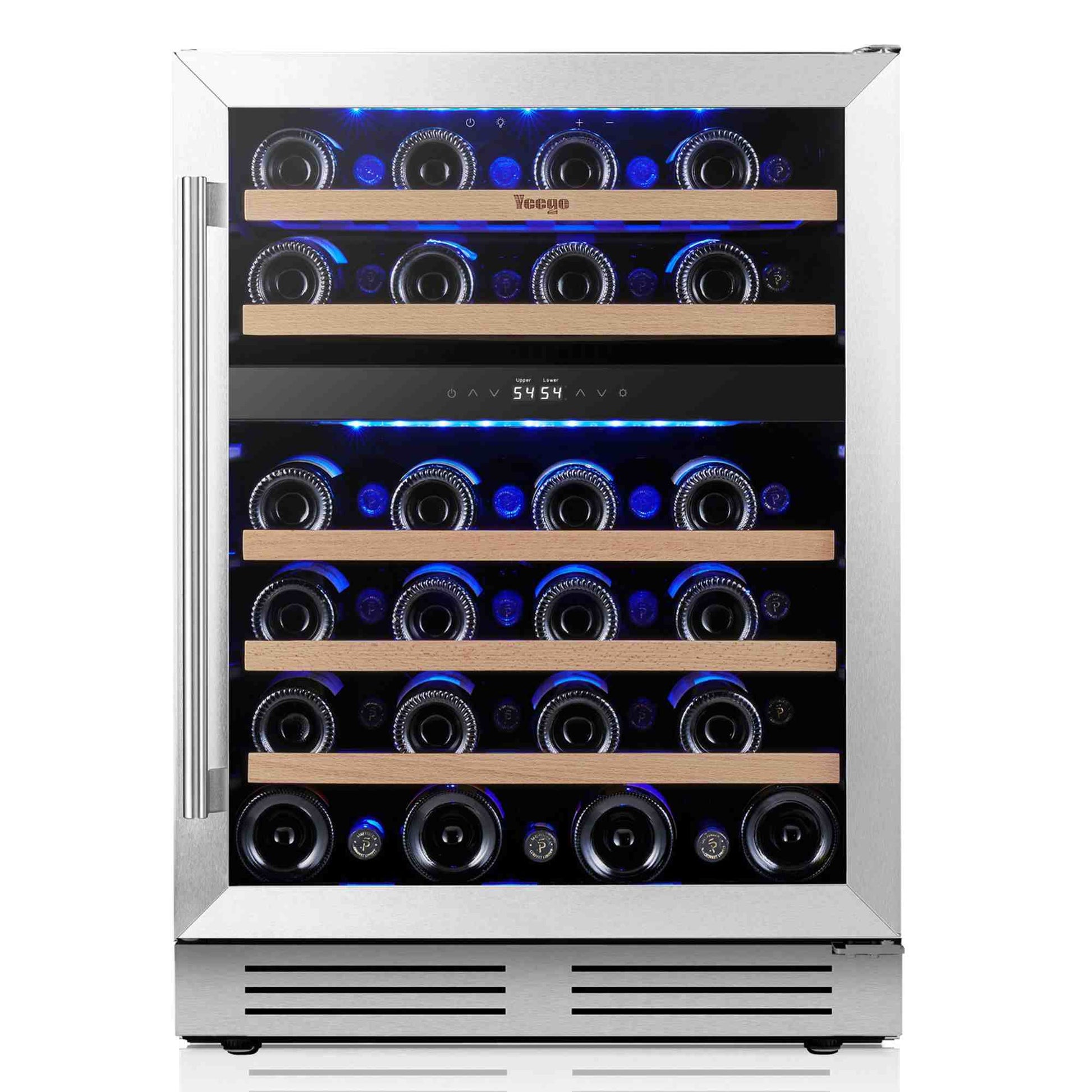
Yeego 24" Wine Fridge
4. Why Beverage Fridges Fit Into Modern European Home Design
4.1 Open-Plan Homes Are More Common Now
Many modern European homes use open layouts, where the kitchen, dining area, and living room connect naturally.
That changes how appliances fit into the home.
They are more visible. They get used more often. And they need to work well without making the space feel cluttered.
A clean, well-placed beverage fridge can support everyday routines while fitting naturally into the home’s layout.
4.2 It Is About Easy Access, Not Just Storage
Traditional refrigeration is mostly about storage: how much can fit inside.
Today’s beverage habits are more about access: how easily people can grab what they want.
People want drinks that are:
- Easy to see
- Easy to reach
- Easy to restock
- Ready for daily use or guests
That changes where a beverage fridge should be placed. It is not just about finding empty space. It is about putting drinks where people actually spend their time.
4.3 Designed to Blend In
Modern home design often favors appliances that feel planned, not added in as an afterthought.
Beverage fridges fit into different areas, such as:
- Under the counter
- Beside a kitchen island
- In a home bar
- Near the dining area
- In a garage or patio transition space
Instead of feeling like a random extra appliance, a beverage fridge can become part of the home’s everyday setup.
5. How Beverage Fridges Stack Up Against the Alternatives
| Category | Kitchen Fridge | Mini Fridge | Ice Cooler | Beverage Fridge |
|---|---|---|---|---|
| Temperature Stability | Medium | Low | High fluctuation | High & consistent |
| Daily Convenience | Medium | High (small use) | Low | High |
| Capacity | High (shared) | Low | Temporary | Medium–High |
| Best Use Case | Food storage | Dorm / small space | Events only | Daily beverage use |
6. How a Beverage Fridge Solves Summer Friction at Home
6.1 Consistently Cold Drinks, Even With Frequent Use
A dedicated beverage fridge keeps drinks at a steady, ready-to-serve temperature.
That matters most in hot weather, when the fridge gets opened often and people expect every drink to come out cold.

With a separate beverage fridge, the main fridge can focus on food, while drinks stay organized in their own space.
6.2 Everything Has Its Place
Beverage fridges make it easy to group drinks by type:
- Water and sparkling water
- Canned drinks
- Beer
- Soda
- Mixers
- Wine or ready-to-serve bottles
That makes restocking simple and helps everyone find what they are looking for faster.
6.3 Hosting Gets Easier
During get-togethers, drink access can shape the flow of the home.
When guests can serve themselves, the kitchen feels less crowded. The host does not need to keep opening the main fridge. People can move more naturally between the kitchen, living room, and outdoor areas.
It is a small change, but it can make hosting feel much easier.
Wrapping Up
The growing interest in beverage fridges says a lot about how people are using their homes during hotter summers.
A beverage fridge is not just for parties or home bars anymore. It supports everyday hydration, easier hosting, better organization, and a smoother routine at home.
For households dealing with warmer weather, more time at home, and more frequent drink use, a dedicated beverage fridge is a simple, practical upgrade.
It keeps drinks cold, close by, and ready for the everyday moments that matter.
Frequently Asked Questions
1. Where is the best spot to put a beverage fridge in my home?
The best spot is usually wherever people reach for drinks most often.
Common places include kitchen islands, home bars, dining areas, garages, patios, or transition spaces near the outdoors.
The goal is simple: put cold drinks closer to where people actually gather, so no one has to keep walking back to the main fridge.
2. What size beverage fridge is right for my family?
It depends on how many people are in your home and how often you serve drinks.
Here is a general guide:
- 1–2 people: around 60–70 cans for light daily use
- 3–4 people: around 100–180 cans for standard household use
- 5–8 people: around 200–400 cans if you host often
- 8+ people: larger-capacity units for big gatherings or bar-style use
A good rule of thumb is to choose a little more capacity than you think you need. That extra room comes in handy during summer, weekends, or whenever guests come over.
3. Who gets the most out of a beverage fridge?
Beverage fridges are especially useful for households that drink cold beverages often, host guests, or make good use of outdoor living spaces.
They also work well for families, remote workers, home entertainers, and anyone who wants drinks organized without crowding out the main fridge.
4. Built-in vs. freestanding: which one should you choose?
Choose built-in if you want a cleaner, more integrated look in your kitchen, home bar, or cabinetry setup.
Choose freestanding if you want more flexibility. It is easier to place, move, and set up wherever you need it around the home.
The right choice depends on your space, layout, and how permanent you want the setup to be.
5. How cold does a beverage fridge actually get?
Most beverage fridges are designed to keep drinks cold and ready to serve, often somewhere between 32°F and 50°F, or 0°C to 10°C.
The exact range depends on the model. In general, beverage fridges are built for steady cooling rather than freezing, making them a good fit for water, soda, beer, mixers, and other everyday drinks.