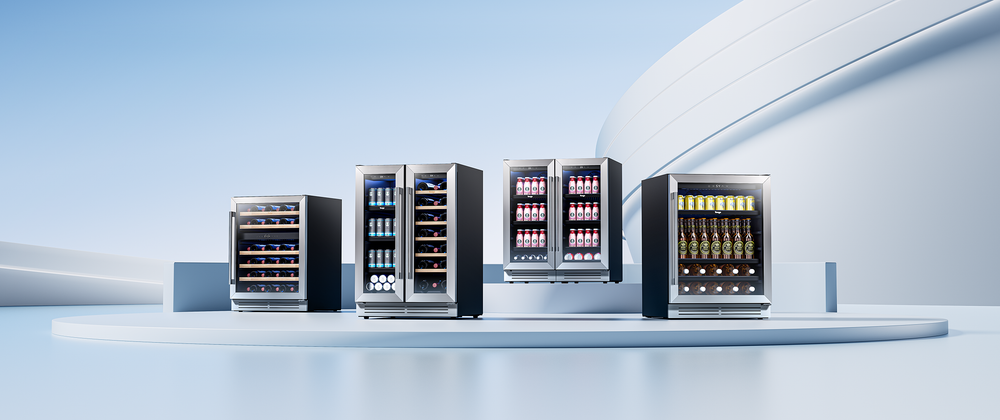

Beyond Beer: What to Drink With Wings, Tacos & Nachos
Key Takeaways
- Plan game day drinks around the heat, fat, salt, and sauces in the food, not headcount alone.
- Sauce often matters more than the main ingredient. Buffalo, barbecue, garlic Parmesan, salsa, and jalapeño can take the same food in completely different pairing directions.
- High alcohol and assertive bitterness aren’t always the best match for spicy food. Lighter, more refreshing drinks are often easier to enjoy.
- A complete lineup should include a dependable core drink, a few purposeful alternatives, a real nonalcoholic selection, and plenty of water.
- You don’t need a different drink for every dish. A few clearly different choices will usually serve the menu better than a fridge full of similar flavors.

Choosing the food for game day usually comes easily. Wings, tacos, nachos, guacamole, sliders, and pizza rarely need much explanation at a football watch party. The drinks tend to get less attention. A few cases of beer go into the cart, followed by soda and bottled water, without much thought about how the food might change what people actually want to drink.
An IPA that tastes great on its own may come across as sharper and more bitter next to hot Buffalo wings. A sweet soda can be satisfying with smoky barbecue sauce at first, then start to feel heavy by the second half. Meanwhile, a crisp lager may work quietly across tacos, guacamole, pizza, and several styles of wings, making it one of the most dependable drinks on the table.
Game day pairings don’t need to turn into a formal tasting exercise. They work better when you think about the heat, fat, salt, sauce, and smoke in the food before choosing what to serve. Some drinks refresh the palate. Others balance spicy food, complement smoky flavors, or simply stay easy to drink over a long afternoon.
Before You Choose the Beer, Figure Out What the Food Needs
When people ask what to drink with wings, they often start with the wrong question. A better one is: What does this particular style of wing need from the drink?
Buffalo wings bring several things together at once: crisp skin, oil, salt, acidity, and chile heat. The drink should keep the fried coating from feeling too heavy without adding even more intensity. Switch to barbecue sauce, and sweetness, smoke, and caramelized flavors matter more. With garlic Parmesan, the focus shifts again to butter, cheese, garlic, and salt.
The chicken hasn’t changed. Almost everything else has.
Refreshing Your Palate Isn’t the Same as Wiping Out Flavor
Fried food, melted cheese, avocado, and rich sauces can leave a lasting coating in your mouth. Moderate carbonation, lively acidity, and a clean finish can help reset your palate so the next bite still tastes appealing.
Crisp lagers, pilsners, dry hard seltzers, and unsweetened sparkling water can all do this in different ways. They don’t taste alike, but they can refresh without adding much sweetness or weight.
The goal isn’t to find a drink strong enough to overpower the food. It’s to keep fat, salt, and sauce from building up until every bite starts to taste the same.
Spicy Food Doesn’t Always Need a Stronger Drink
When wings or nachos are hot, it can be tempting to reach for the biggest beer in the cooler. A high-alcohol IPA may seem like it can stand up to the heat, but intensity isn’t always the same as compatibility.
Higher alcohol can make chile heat feel more pronounced for some people, while aggressive hop bitterness can add another sharp sensation on top of the spice. That doesn’t mean IPA has no place at a game day party. If the food is only moderately spicy and your guests already enjoy hop-forward beer, a balanced pale ale or IPA can still work well.
But if the table is built around extra-hot Buffalo wings and jalapeño-heavy salsa, a crisp lager, dry seltzer, nonalcoholic lager, or cold sparkling water may be easier to enjoy.
A little sweetness can also soften the impression of heat, but more isn’t always better. A very sweet drink may feel refreshing for the first few sips, then become heavy next to salty, fatty food.
Pair With the Sauce, Not Just the Protein
The final seasoning often matters more than whether the food is chicken, beef, pork, or tortilla chips. Buffalo sauce brings acidity and heat. Barbecue adds smoke and sweetness. Garlic Parmesan brings butter, salt, and savory richness. Fresh salsa may combine tomato acidity, chile heat, citrus, herbs, and raw onion.

Start by identifying the strongest flavors on the plate. Bright, chile-forward sauces usually pair well with refreshing, restrained drinks. Smoky and caramelized sauces can handle more malt character. Creamy or cheese-heavy foods benefit from lift and a clean finish. Fresh lime, cilantro, and salsa usually work best with drinks light enough to let those flavors come through.
Think Beyond the First Round
Game day can start an hour before kickoff and continue through halftime, overtime, and postgame conversation. A drink that feels exciting with the first plate of food may not be what someone wants three hours later.
Keep the main lineup broadly appealing, flexible enough for several foods, and comfortable to drink over time. Stronger, more bitter, or more unusual options can still have a place, but they don’t need to make up most of what you stock.
Five Things to Consider Across the Game Day Menu
Before pairing individual dishes, look at the menu as a whole through five lenses: heat, fat, salt, sauce intensity, and the length and makeup of the gathering.
Heat may come from Buffalo sauce, jalapeños, hot salsa, chile oil, or a spicy dry rub. As the heat rises, it can help to keep alcohol and bitterness in check.
Fat may come from fried coatings, melted cheese, sour cream, avocado, or richer cuts of meat. The richer the menu, the more useful carbonation, acidity, and a clean finish can be.
Salt is easy to underestimate. Pretzels, chips, cured toppings, cheese, and processed meats can all leave guests reaching for another drink. If the menu is consistently salty, water and nonalcoholic options should be part of the main lineup, not an afterthought.
Sauce intensity also helps determine whether the drink should complement the food or provide contrast. A malt-forward beer may work naturally with smoky barbecue, while a very sweet sauce paired with a very sweet soda can start to feel heavy. Fresh salsa, lime, and cilantro usually call for something lighter rather than a drink that covers them with alcohol, sweetness, or bitterness.
Finally, think about how long everyone will be there and who is coming. A two-hour gathering has different needs from an afternoon that starts with pregame coverage and lasts through overtime. Designated drivers, children, guests who don’t drink, and people who plan to switch to water later should all be part of the original plan.
What to Drink With Wings: Start With the Sauce
Wings may be the defining game day food, but treating every wing as one pairing category misses what makes them different. Buffalo, barbecue, and garlic Parmesan each give the drink a different job.
Buffalo Wings
Buffalo wings aren’t simply hot. The sauce usually brings acidity along with chile heat, the fried skin adds richness, and ranch or blue cheese dressing adds another creamy layer.
A crisp lager or pilsner is a dependable place to start. Carbonation helps keep the fried coating from feeling too heavy, while the lighter body leaves room for the sauce. Compared with a high-alcohol or intensely bitter IPA, these styles are also less likely to pile another strong sensation onto an already spicy bite.
For guests who want something outside the beer category, a dry citrus hard seltzer can offer a lighter alcoholic option. Lime sparkling water, a lightly sweetened lemon drink, or nonalcoholic lager can round out the zero-proof side of the lineup.
There’s no need to leave IPA out completely, especially if your guests already enjoy it. Choose a balanced option with moderate alcohol and bitterness, and don’t make it the only beer available.

Barbecue Wings
Barbecue wings usually bring more sweetness, smoke, and caramelization than Buffalo wings. An amber lager can complement those toasted, lightly caramelized notes without feeling as heavy as a strong dark beer. A balanced pale ale can also work when the sauce has enough smoke and spice to stand alongside the hops.
Cola is a familiar pairing for barbecue, but the sweetness of the sauce matters. If the wings are heavily glazed, an all-soda lineup can start to feel heavy after a few rounds. Dry hard seltzer, diet soda, unsweetened iced tea, or sparkling water gives guests a cleaner alternative.
Garlic Parmesan Wings
Garlic Parmesan wings are usually less about heat and more about butter, cheese, garlic, and salt. They need refreshment more than sweetness.
Crisp lager, pilsner, or a clean nonalcoholic beer can balance the rich coating without competing with the garlic and cheese. Lemon sparkling water is another simple option that keeps the pairing bright without adding more sweetness.
What to Drink With Tacos: Let the Filling and Salsa Decide
“Tacos” can mean everything from a fresh fish taco with cabbage and lime to carne asada topped with hot roasted salsa. The filling sets the base, but salsa, citrus, crema, herbs, and peppers often decide the final pairing.
Carne Asada and Beef Tacos
Carne asada brings grilled flavors, beef fat, onion, cilantro, and usually some type of salsa. A Mexican-style lager is an easy fit because it can handle the meat and char while staying light enough for lime and fresh toppings. An amber lager can work well when the beef is richer or the grilled flavors are more pronounced.
For something more distinctive, consider a balanced pale ale that doesn’t push the bitterness too far. Lime seltzer, diet cola, or citrus sparkling water can round out the nonalcoholic options.

Chicken Tacos
Chicken tacos usually start with a lighter flavor base, which gives the marinade and toppings more influence. With lime, cilantro, and fresh salsa, a light lager, pilsner, or dry hard seltzer can stay in the background while keeping the pairing lively.
Nonalcoholic lager and citrus sparkling water follow the same idea. If the chicken has smoky seasoning or a heavier sauce, you can move toward a little more malt character without making the drink feel heavy.
Fish Tacos
Fish tacos often combine delicate fish, a fried coating, shredded cabbage, lime, and creamy sauce. The drink needs enough freshness to handle the fried element without overwhelming the fish.
Pilsner, crisp lager, and dry citrus hard seltzer all work well here. Lime sparkling water is a natural nonalcoholic option because it supports the citrus and cabbage without adding extra sweetness. A heavy, sweet, or highly bitter drink is more likely to cover the food than complement it.
Spicy Tacos Need Their Own Adjustment
The filling doesn’t always determine how hot a taco will be. Hot salsa, jalapeños, and extra chile sauce can completely change an otherwise mild chicken or beef taco.
As the heat rises, pull back on high alcohol and aggressive bitterness, and make water and nonalcoholic options easy to reach.
There’s no prize for finding the most complicated pairing. The better choice is the one that still tastes good after the second taco.
What to Drink With Guacamole and Nachos
Guacamole and tortilla chips are among the easiest game day snacks to keep reaching for. Avocado brings a smooth, rich texture. Tortilla chips add salt and toasted corn, while lime, cilantro, onion, and tomato keep things fresh.
Because the food already has several layers, the drink doesn’t need to be complicated. Crisp lager, dry hard seltzer, and lime sparkling water can all keep the combination feeling fresh without covering the guacamole. Nonalcoholic lager also works for adults who want the familiar beer-and-snacks experience without choosing an alcoholic drink.
Loaded nachos are a different story. Once the chips are covered with melted cheese, ground beef, sour cream, jalapeños, salsa, and guacamole, you’re dealing with fat, salt, heat, acidity, and meat in every bite.
A crisp lager remains one of the most flexible choices. If the nachos aren’t especially spicy, a pale ale or amber lager can add more flavor. If jalapeños and hot salsa dominate, pull back on bitterness and alcohol. Dry seltzer, sparkling water, and diet soda provide contrast, while regular soda works better alongside less-sweet options rather than as the only nonalcoholic choice.
What to Drink With Sliders, Pizza, and Other Game Day Favorites
Cheeseburger sliders usually bring together beef, cheese, pickles, onions, and a rich sauce. Lager is an easy all-purpose match, while amber lager can stand up to stronger grilled flavors and melted cheese. Cola is a familiar choice, but unsweetened iced tea, diet cola, and sparkling water keep the nonalcoholic selection from leaning entirely sweet.
Barbecue pulled pork sliders are sweeter and smokier than standard cheeseburger sliders. Amber lager or a balanced pale ale can complement the caramelized and roasted notes. If the barbecue sauce is already sweet, dry seltzer, unsweetened tea, or sparkling water gives guests a useful contrast.
Pizza depends on the toppings. Cheese pizza mainly asks the drink to handle melted cheese and crust. Pepperoni adds more salt, fat, and spice. Buffalo chicken pizza brings heat and acidity into the same bite.
Lager can cover most basic pizza styles. Pale ale works when the toppings are more assertive but not especially hot. Seltzer and sparkling water give guests a lighter option when the game, and the eating, continue for several hours.
You Don’t Need a Separate Drink for Every Snack
Once you understand the basic pairing principles, it’s easy to make the opposite mistake: buying one beer for Buffalo wings, another for tacos, a third for nachos, and several more for individual preferences.
The result can be a beverage fridge full of drinks that each appeal to only one or two people.
Before adding more categories, it helps to understand how mixed cans, bottles, tall cans, and shelf adjustments affect real-world beverage fridge capacity, since the advertised can count won’t represent every possible game day lineup.
A more useful setup gives every drink one of four jobs.
A Dependable Core
The core drink should work with most of the menu and appeal to a good share of the group. For wings, tacos, nachos, and pizza, that role is often filled by a crisp lager. If your friends consistently prefer hard seltzer, soda, or sparkling water, though, your core drink can look completely different.
“Core” doesn’t mean generic. It simply means the drink most likely to stay useful throughout the gathering instead of depending on one dish, one flavor, or one guest.
A Few Purposeful Alternatives
Alternatives should cover preferences the core doesn’t. An IPA can serve guests who want clear hop character. Hard seltzer can provide a lighter-feeling alcoholic option. Amber lager may work better with barbecue and smoked foods.
Before adding something, ask one question: Who is this for, or what does it add to the menu?
If two drinks serve essentially the same purpose, there’s usually no reason to buy both in large quantities.
A Real Nonalcoholic Selection
A few bottles of water and one case of standard soda don’t make a complete nonalcoholic lineup. Designated drivers, adults who don’t drink, people switching away from alcohol later in the game, and younger guests should all have options that make sense for them.
Sparkling water, nonalcoholic beer, cola, diet soda, unsweetened iced tea, and citrus-flavored sparkling drinks can create a more useful mix.
According to TTB’s malt beverage alcohol-content labeling guidance, a malt beverage labeled “non-alcoholic” may contain less than 0.5% alcohol by volume, while “alcohol free” may be used only when the product contains no alcohol. Keep the original labels and packaging available so guests who need to avoid alcohol completely can check the specific product.
Water That Is Easy to Find
Game day food tends to be salty, and it may also be spicy or served alongside alcohol. Water shouldn’t be hidden behind the beer or brought out only after someone asks for it.
Keep still and sparkling water visible from the start. When water feels like a normal part of the lineup instead of a backup, guests are more likely to reach for it throughout the game.
Three Game Day Menus You Can Use as a Starting Point
A Spicy-Snack Lineup
Build the menu around Buffalo wings, jalapeño nachos, spicy chicken tacos, and hot salsa. Use crisp lager as the main alcoholic drink, with dry citrus hard seltzer as an alternative. For nonalcoholic options, add nonalcoholic lager, lime sparkling water, and plenty of cold still water.
The goal isn’t to erase the heat. It’s to avoid stacking chile, aggressive bitterness, and high alcohol on top of one another. Keep the drinks refreshing and give guests an easy way to reset between spicy bites.
A Barbecue and Smoke Lineup
Serve barbecue wings, pulled pork sliders, loaded fries, and smoked sausage bites. Lager or amber lager can form the core, with a balanced pale ale as an alternative. Unsweetened iced tea, cola, diet cola, sparkling water, and still water round out the nonalcoholic choices.
This lineup lets some malt flavor connect with smoke, browning, and caramelization without making every drink sweet. When the barbecue sauce is especially rich, dry seltzer and unsweetened tea may become more appealing as the game goes on.
A Mixed Family Watch-Party Lineup
For a gathering with adults, children, nondrinkers, and designated drivers, keep both the food and drinks broadly accessible. A menu of mild tacos, guacamole, cheese pizza, sliders, and pretzels doesn’t need a highly specialized pairing plan.
Choose one familiar lager as the main alcoholic option and add hard seltzer as an alternative. For the nonalcoholic side, stock soda, sparkling water, still water, and other clearly labeled options. Adults who want a beer-like option without choosing a standard alcoholic beer can also have nonalcoholic beer available.
The strength of this lineup is clarity. Guests don’t need to study every can in the fridge to figure out what’s available, and no one is left choosing between alcohol, plain water, and a single sugary soda.
Once the Pairings Are Set, Keep the Drinks Easy to Find
There’s no need to repeat the full process of calculating quantities, organizing the beverage fridge, or restocking at halftime here.
Once you know which drinks fit the food, Yeego’s guide on how to stock game day drinks without overbuying explains how to estimate demand based on guest preferences, decide what to chill first, and adjust the lineup from pregame through halftime and overtime.

If watch parties and casual gatherings are becoming a regular part of your routine, you can also compare Yeego’s beverage fridges for home entertaining by width, usable capacity, and installation type.
The goal isn’t to choose an appliance around one unusually large party. It’s to find a format that works for everyday drink storage while leaving enough flexibility for weekends and guests.
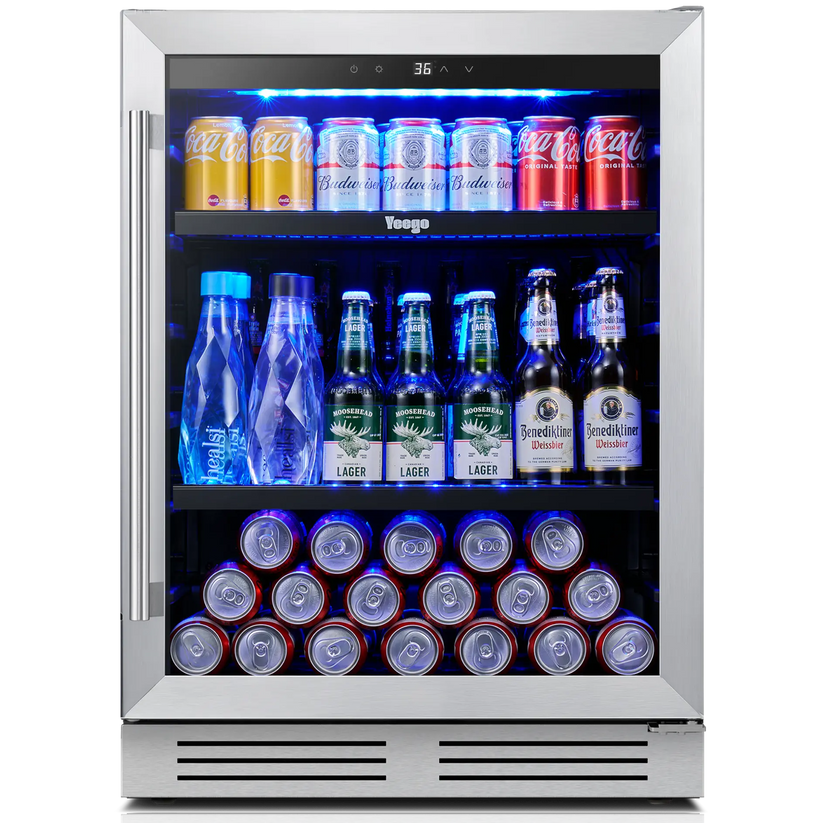
Yeego 24" Beverage Cooler
A Better Game Day Lineup Starts With the Food
Good game day pairing isn’t about finding one officially correct drink for every snack, and it isn’t about filling a beverage fridge with as many brands and flavors as possible.
Start with the strongest elements on the table: heat, fat, salt, smoke, and sauce. From there, build around one flexible core drink, a few alternatives that are genuinely different, a complete nonalcoholic selection, and enough water for the whole gathering.
That approach keeps Buffalo wings from overwhelming the palate, lets tacos and guacamole stay fresh and distinct, and gives everyone something they’ll actually want to drink as the game goes on.
The best game day setup rarely feels elaborate. The food arrives, the drinks are already cold and easy to find, and the host doesn’t have to solve the same problem again at every commercial break.
Frequently Asked Questions
-
How Can I Keep Alcoholic and Nonalcoholic Drinks From Getting Mixed Up?
Use separate, clearly labeled sections and keep the original cans or bottles visible. Don’t rely on package color alone, since alcoholic and nonalcoholic versions from the same brand can look very similar.
If drinks are poured into cups, use different cup styles, labels, or markers. Avoid leaving unidentified drinks sitting around where they can easily be mixed up.
-
Can Wine Work With Game Day Food?
Yes. Choose the wine for the food rather than for formality. Sparkling wine can work with fried and salty snacks, dry rosé can pair with tacos and lighter spicy dishes, and a fruit-forward light red can work with pizza or sliders.
Keep the wine selection focused instead of trying to assign a separate bottle to every dish.
-
Should an Afternoon Game and an Evening Game Have Different Drink Lineups?
Often, yes, but total hosting time matters more than the clock alone. Afternoon gatherings may start earlier and last longer, creating more demand for water, iced tea, sparkling water, and other lighter options.
Evening games may center on a fuller meal with a shorter pregame window, so the drink mix can follow the menu and the number of hours guests are likely to stay.
-
What Drinks Pair Well With Vegetarian or Vegan Game Day Snacks?
Focus on the cooking method and sauce rather than the vegetarian or vegan label alone. Fried cauliflower benefits from crisp, refreshing drinks. Hummus, fresh vegetables, and herb-based dips work well with citrus-forward or lightly flavored options, while smoked mushrooms and plant-based sliders can handle more malt character.
If vegan suitability matters, check the beverage label or manufacturer information because ingredients and production methods can vary.
-
What Should I Do If Guests Bring Room-Temperature Drinks After Kickoff?
Keep room-temperature drinks separate from beverages that are already cold and ready to serve. If they’re needed quickly, an ice-water bath will generally cool cans and bottles faster and more evenly than placing them on top of ice alone.
If you add warm drinks to a beverage fridge, load them in smaller batches instead of surrounding the ready-to-drink inventory with a large amount of room-temperature product.