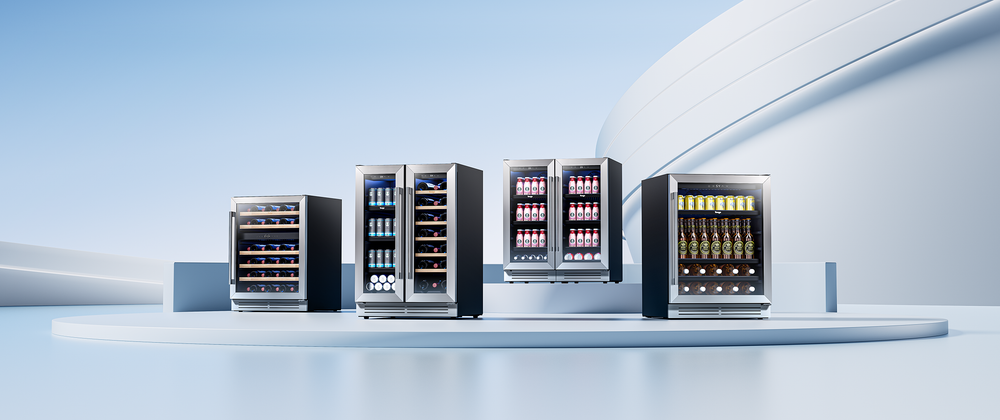

Do You Really Need a Wine Fridge? Or Is a Regular Fridge Enough?
- The key difference between a wine fridge and a regular refrigerator is not temperature, but design purpose.
- Regular refrigerators allow temperature fluctuations and mixed food storage, while wine fridges maintain stability and low vibration conditions.
- Wine is more sensitive to environmental stability than cold temperature itself.
- A regular fridge works for short-term storage, while a wine fridge is designed for long-term preservation.
- Whether you need a wine fridge depends more on usage behavior than the product itself.
1. Introduction: This Is Not Really a Buying Question
When most people start thinking about wine storage, the question usually goes something like this: I already have a fridge, so do I really need a separate one just for wine?
It is a fair question.
At first, it sounds like a purchase decision. But it is really more about how you use wine at home. Do you only chill a bottle now and then, or do you keep a few bottles ready for dinners, weekends, and guests?
A regular refrigerator is made for food safety and everyday storage. It keeps groceries, leftovers, sauces, and drinks cold. A wine fridge is made for a different job. It gives wine a more stable, dedicated space until you are ready to open it.
They may both cool things down, but they are not built for the same purpose.

2. Where a Regular Refrigerator Falls Short
Your household fridge is built for one main job: keeping food safe. It brings temperatures down, slows spoilage, and handles constant daily use.
That works well for groceries. For wine, it creates a few limitations.
Temperature changes. Regular fridges cycle on and off, move cold air around, and get opened throughout the day. For food, that is normal. For wine, which does better in a steady environment, those small changes are not ideal over time.
Low humidity. Refrigerators are usually dry because that helps prevent food spoilage. But dry air may affect natural corks if bottles are stored for a long time. If corks dry out or shrink, small amounts of air can enter the bottle and affect the wine.
Odor exposure. A regular fridge stores everything from leftovers to sauces, dairy, and meat. Even when food is sealed, odors can still move around inside the fridge. Wine bottles are protected, but natural corks are not completely airtight, so long-term storage in a mixed-food space is not always ideal.
The bottom line: a regular refrigerator is great for short-term food storage. It just is not designed around wine.
3. What Wine Actually Needs: Stability Over Cold
Wine storage is not about making bottles as cold as possible. It is about keeping conditions steady.
Temperature matters because frequent changes can affect how wine holds up over time. Humidity matters too. If the space is too dry, corks can lose moisture. If it is too humid, labels may get damaged or mold may appear.

Vibration is another detail people often overlook. A little movement is normal, but constant vibration over time is not ideal for bottles you plan to keep for a while.
Light also plays a role. Too much light, especially UV light, can affect wine quality. This is why many wine fridges use protected glass or darker doors.
Put simply, wine does not just need a cold place. It needs a steady place.
4. Regular Fridge vs. Wine Fridge: What's the Difference?
The key difference is not that one appliance is always better. It is that each one is made for a different kind of use.
| Dimension | Regular Refrigerator | Wine Fridge |
|---|---|---|
| Primary Purpose | Food safety & short-term storage | Long-term wine stability & serving consistency |
| Temperature Logic | Fast cooling with natural fluctuations | Stable temperature with minimal variation |
| Ideal Range | 0–4°C (food storage) | 10–18°C (wine storage/serving) |
| Usage Pattern | Frequent opening and closing | Low-frequency access |
| Interior Structure | Mixed food compartments | Horizontal wine racks |
| Odor Control | Mixed food environment | Isolated storage space |
| Humidity Control | Low humidity environment | Stable humidity balance |
| Vibration Control | Compressor-based vibration | Low-vibration design |
| Light Protection | No UV protection | UV-filtered or tinted glass |
A regular fridge can help if you only need to chill a bottle for dinner. A wine fridge makes more sense when you want a dedicated space that keeps bottles organized, steady, and ready.
For a deeper breakdown on how to choose the right setup for your space, see the Wine Fridge Buying Guide 2026.
5. Not Every Household Needs a Wine Fridge
Honestly, not everyone needs one.
If wine is something you drink casually and bottles do not stay around for long, a regular fridge can handle short-term storage just fine. If you are working with limited space and do not have a good spot for another appliance, a wine fridge may not add much practical value to your setup.
This is especially true if you only keep one or two bottles at a time or usually buy wine for immediate use.
The question is not really, "Is a wine fridge better?" The better question is, "Would I actually use it?"
For casual wine drinkers, a regular fridge may be enough.
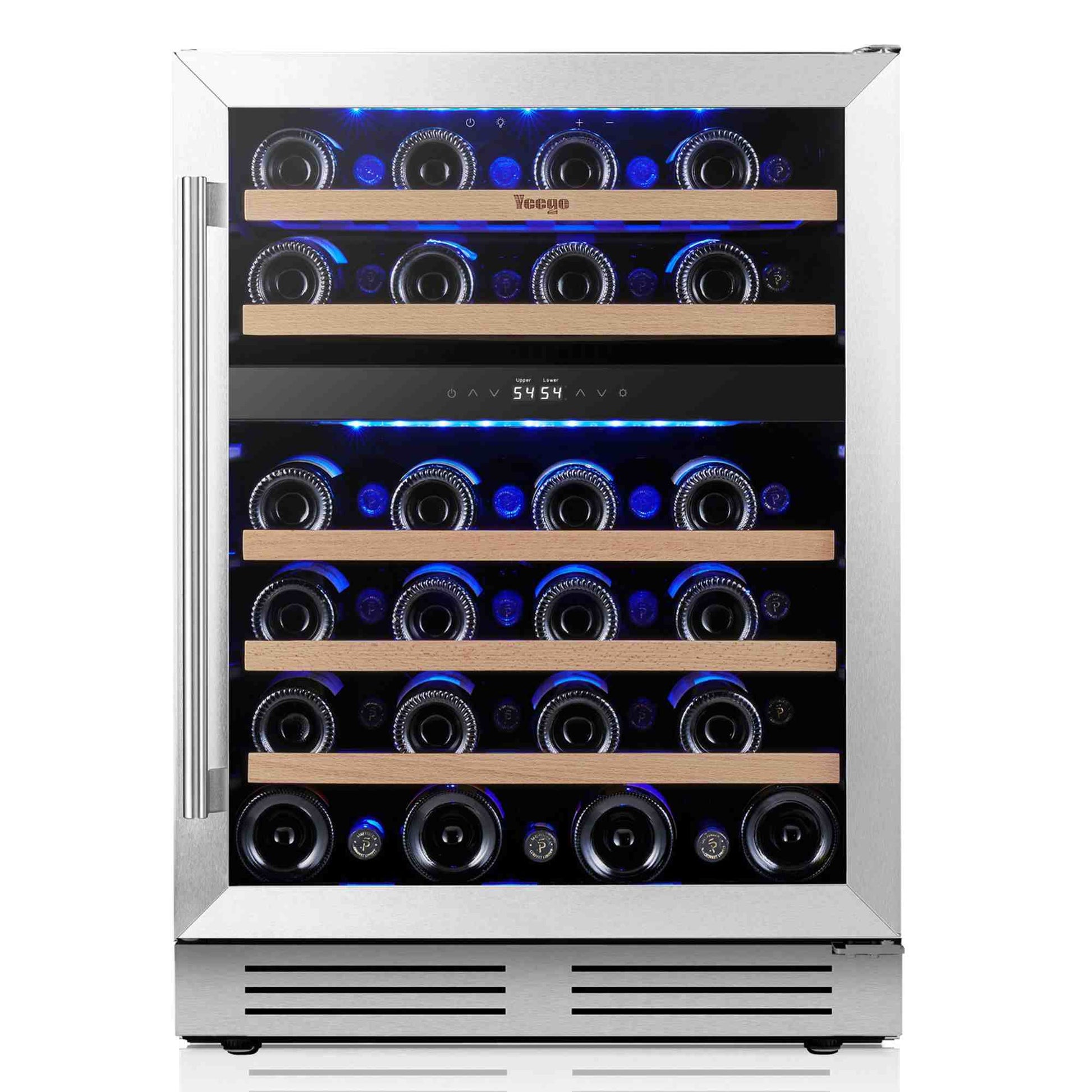
Yeego 24" Wine Fridge
6. When a Wine Fridge Starts to Make Sense
The value of a wine fridge becomes clearer as your wine habits grow.
Maybe you are starting to keep a few bottles ready at home. Maybe you like having reds, whites, and sparkling wine on hand. Maybe you host friends on weekends, or your kitchen fridge is already too full to give wine its own space.
That is when a dedicated wine fridge starts to feel practical.
It gives bottles their own place. It keeps them easier to organize. It separates wine from food storage. It also helps make serving feel smoother, especially when guests come over or when you want a bottle ready without digging through the main fridge.
In that sense, a wine fridge is not just for collectors. It is made for everyday wine moments at home, from quiet dinners to weekend gatherings.
7. Conclusion: It Comes Down to How You Treat Wine
A regular fridge can handle basic short-term storage. If you only chill a bottle before dinner or keep one bottle on hand, it is probably enough.
But if wine has become part of how you host, relax, cook, or enjoy time at home, a wine fridge can make the experience easier and more consistent.
The difference is not about being fancy about wine. It is about giving your bottles a better place to stay.
So the real question is not whether every home needs a wine fridge. It is whether your home would benefit from a dedicated space for the bottles you already enjoy.
Frequently Asked Questions
1. How long does an opened bottle of wine last in the fridge?
An opened bottle of wine usually lasts 3 to 5 days in the refrigerator when properly sealed. The cooler temperature slows oxidation and helps keep it fresh a little longer.
White and sparkling wines may hold up slightly longer, while reds may lose some aroma and flavor sooner.
For a more detailed breakdown, see this guide on how long opened wine lasts and storage tips.
2. What is the ideal humidity level for storing wine?
The ideal humidity level for wine storage is generally between 50% and 75%. This range helps keep corks from drying out while avoiding too much moisture, which can damage labels or encourage mold.
3. Why are wine bottles stored on their side?
Wine bottles are often stored horizontally to keep the cork in contact with the wine. This helps the cork stay moist and maintain a proper seal.
When a cork dries out, it can shrink and let oxygen into the bottle, which may affect wine quality over time.
For more on how corks affect preservation, check out this guide on why corks matter for wine storage.
4. Is a wine fridge worth it for a small apartment?
It depends on how often you drink wine and how many bottles you usually keep at home.
For occasional drinkers, a regular fridge is usually fine. But if you store multiple bottles or enjoy wine regularly, a compact wine fridge can give you more stable storage and better organization without taking up too much room.
5. What is the difference between a freestanding and built-in wine fridge?
A freestanding wine fridge is designed to stand on its own. It usually vents from the sides or back.
A built-in wine fridge is designed to sit inside cabinetry and usually vents from the front. The main difference is how heat is released and how the unit fits into your space.
If you plan to place a wine fridge under a counter or inside cabinets, a built-in model is usually the better fit.